
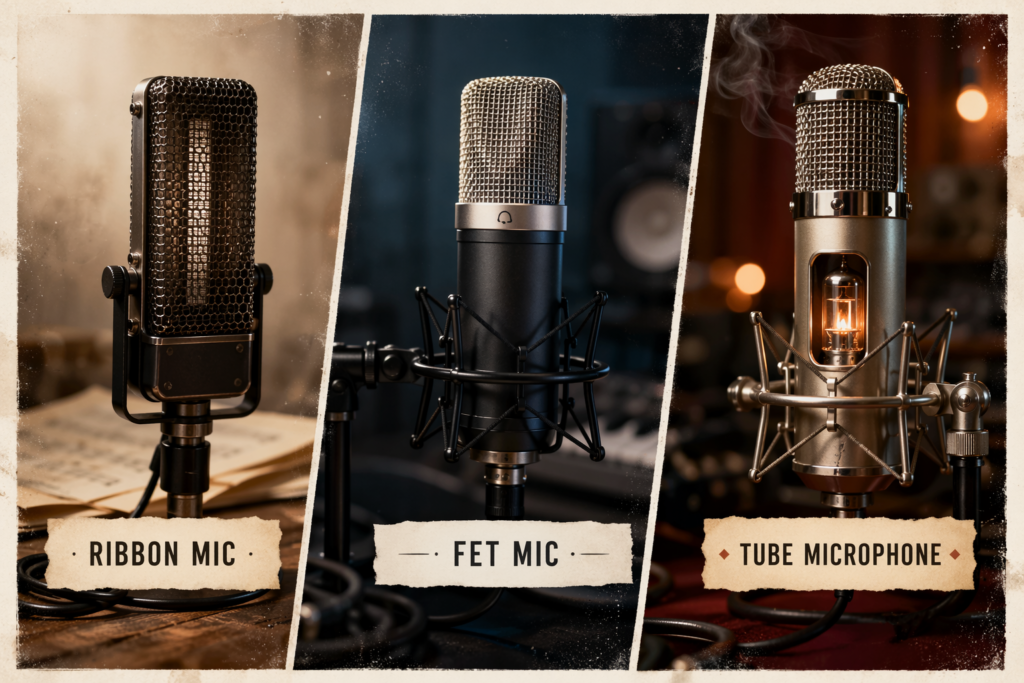
Microphones are used to record audio in a variety of different scenarios, right from recording simple voice overs to recording professional music in a studio. Not all microphones are built the same way, and different types of mics are designed for different purposes. Each kind has its own advantages and limitations.
Sound engineers use different microphones to tailor the frequency response, sensitivity, and polar pattern to specific sound sources, ensuring optimal tone capture and isolation. Microphones are used like “paintbrushes” with unique sonic characteristics which allows engineers to shape the sound at the source rather than relying heavily on EQ.
Let’s take a look at 3 professional recording microphone types used greatly by studio sound engineers.
TUBE MICROPHONE
Tube microphones (short for vacuum tube mic, also known as valve mics) are the “vintage” standard of the recording world. It is a type of condenser microphone that uses a vacuum tube (valve) to amplify the signal from the capsule and convert impedance, in its internal electronics instead of solid-state circuitry. Uses a vacuum tube to amplify the signal, because tubes require significantly more power than standard phantom power (48V) can provide, they almost always require a dedicated external power supply unit (PSU) and a special multi-pin cable (usually 7-pin).
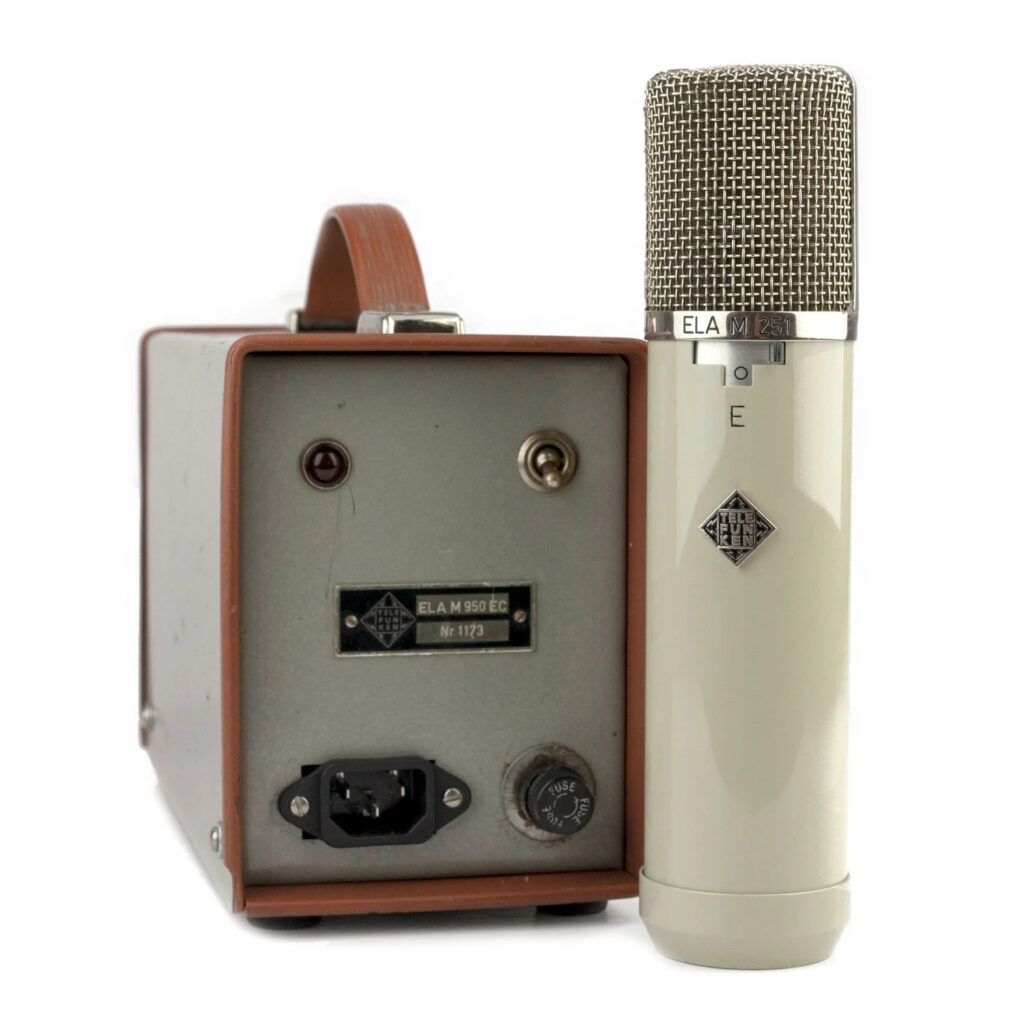
Tube’s sound character is:
- Warmth – naturally emphasize lower-mid frequencies and add “weight” to a sound,
- Harmonic Distortion – when pushed, tubes add subtle even-order harmonics that the human ear perceives as “smooth.”,
- Rich – often described as more “vintage” or “musical”,
- Natural Compression – tubes have a slower transient response, which helps smooth “harsh” sounds (like sibilant vocals or bright acoustic guitars) by subtly rounding off the peaks.
Pros & Cons
- Pros: Incredible depth, “ready-to-mix” sound, and adds character to digital recordings.
- Cons: Very expensive, fragile (tubes can break or “go microphonic”), and requires a “warm-up” time (usually 15–30 minutes) before the sound stabilizes.
Famous Tube Mic Models : Neumann U47, Telefunken ELA M 251, AKG C12, Sony C-800G, Avatone CV12
FET MICROPHONE
An FET condenser mic (Field Effect Transistor condenser microphone) is a type of condenser mic that uses a transistor (FET) were originally designed to replicate the performance of tube microphones but in a smaller, more reliable, and “solid-state” package. FET microphone is a condenser mic that uses a transistor instead of a vacuum tube to handle the impedance conversion. Since they don’t have a tube to heat up, they run on standard 48V phantom power directly from your interface or mixer, eliminating the need for a bulky external power supply.
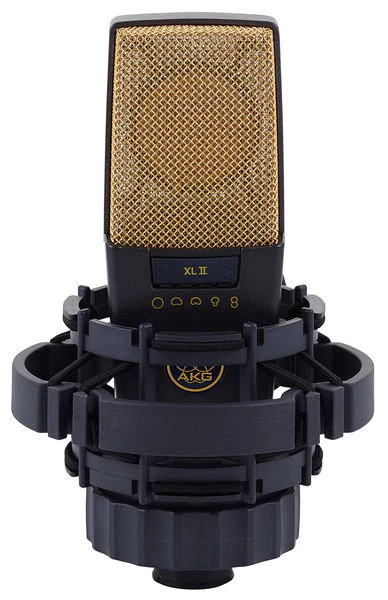
FET’s sound character is: While tube mics are known for “warmth,” FET mics are prized for:
- Transients: They respond faster than tubes, making them excellent at capturing sharp, “fast” sounds (like the snap of a snare drum or the pluck of an acoustic guitar).
- Clarity: Generally, more transparent and “honest” than tube mics. They have a lower noise floor (less “hiss”).
- Presence: They often have a very detailed high-end that helps a vocal or instrument sit forward in a mix without sounding “fuzzy.”
Pros & Cons
- Pros: High Sensitivity & Detail, Wide Frequency Response, Fast Transient Response, Ideal for Studio Use and Low Self-Noise.
- Cons: Requires Power, Picks Up Ambient Noise, Fragility, Lower SPL Handling and Cost.
Famous FET Mic Models : Neumann U87, Warm Audio WA-87, Neumann TLM 103, AKG C414, Sony C-38B.
RIBBON MICROPHONE
Ribbon microphones are a unique breed of dynamic mic. Instead of a heavy diaphragm or a complex circuit, they use a microscopically thin strip of aluminum (the ribbon) suspended in a magnetic field to capture sound. When sound waves hit the ribbon, it moves within the magnetic field to generate an electrical signal. Because the ribbon is so light, it responds to sound waves faster and more accurately than the heavy moving-coil of a standard dynamic mic (like an SM58), resulting in a very “natural” sound.
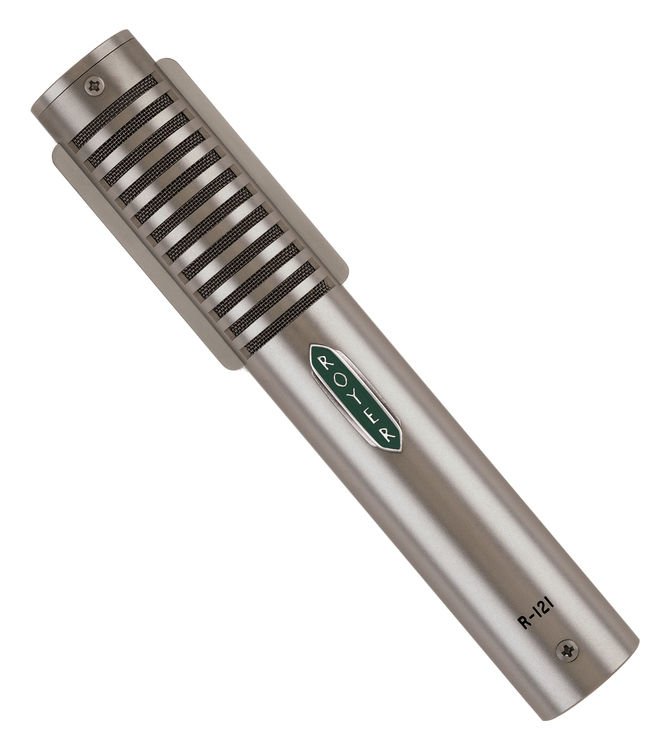
Ribbon sound character is: Ribbon mics are often described as hearing the world the way your ears do:
- The “Dark” Tone: They have a natural high-frequency roll-off. They aren’t “muddy,” but they lack the artificial “zing” or “brightness” of condenser mics.
- Figure-8 Pattern: Most ribbons are natively bidirectional, they pick up sound from the front and back equally.
- Low Output: Passive ribbons have a very weak signal, need a high-quality preamp with lots of clean gain to get a usable level.
Pros & Cons
- Pros: Most natural frequency response; handles EQ incredibly well; “vibey” vintage aesthetic.
- Cons: Extremely fragile (even a strong puff of air or a gust of wind can tear the ribbon); requires a lot of preamp gain; sensitive to physical vibration.
Famous Ribbon Mic Models : Royer R121, AEA R44C, Coles 4038, Sontronics Sigma 2
To practically know more about recording and miking techniques, enroll to our studio engineering courses. Check out our diploma in sound engineering courses in India and music production courses in India.